Har Ki Dun Trek: A Journey to the Valley of Gods in Uttarakhand
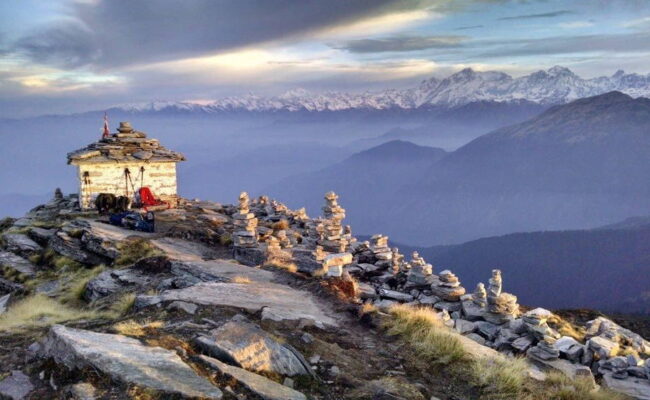
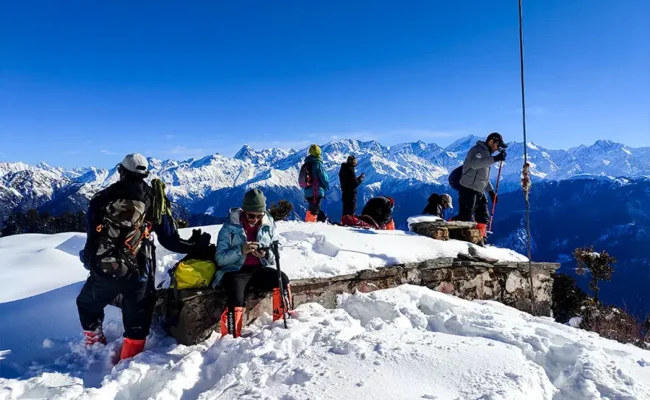
Nestled deep within the Garhwal Himalayas, the Har Ki Dun Trek is one of Uttarakhand’s oldest and most picturesque trekking routes. Often referred to as the “Valley of Gods,” Har Ki Dun is a paradise for trekkers seeking breathtaking landscapes, ancient villages, rich mythology, and an authentic Himalayan experience. Located inside the Govind Pashu Vihar National Park, this scenic valley offers snow-capped peaks, alpine meadows, glacial rivers, dense pine forests, and traditional wooden villages that seem untouched by time.
Unlike high-altitude expeditions that require technical climbing skills, the Har Ki Dun Trek is considered a moderate trek suitable for beginners with a reasonable level of fitness. Every step along the trail reveals stunning mountain scenery, diverse wildlife, and centuries-old traditions that make this trek one of the most rewarding adventures in the Indian Himalayas.
Why Har Ki Dun is Called the Valley of Gods
The name Har Ki Dun translates to “Valley of Lord Shiva.” According to local legends, this valley is closely associated with the Mahabharata. It is believed that the Pandavas passed through this route while ascending toward heaven on their final journey, known as the Swargarohini Yatra.
The valley is surrounded by majestic peaks, including the famous Swargarohini Peak, which holds immense mythological significance. Many locals believe that the legendary stairway to heaven mentioned in Hindu scriptures existed somewhere in this region.
A Trek Through Ancient Himalayan Villages
One of the unique aspects of the Har Ki Dun Trek is the opportunity to explore remote Himalayan villages that have preserved their traditional culture for centuries. Villages like Osla, Gangad, and Sankri feature beautiful wooden houses, slate roofs, carved temples, and warm hospitality that provide visitors with a glimpse into the simple mountain lifestyle.
The residents continue to follow age-old customs, wear traditional attire, and celebrate local festivals with great enthusiasm. Spending time in these villages is just as memorable as the trek itself.
The Beauty of the Har Ki Dun Trail
The trek begins from the charming village of Sankri, one of Uttarakhand’s most popular trekking bases. As the trail gradually climbs through forests and valleys, trekkers cross wooden bridges, sparkling streams, waterfalls, and lush meadows filled with colorful wildflowers.
Throughout the journey, you’ll be surrounded by towering Himalayan peaks and the soothing sound of the Supin River flowing alongside the trail. Every campsite offers spectacular sunrise and sunset views, making the experience unforgettable for photographers and nature lovers alike.
Highlights of the Har Ki Dun Trek
One of Uttarakhand’s oldest trekking routes.
Panoramic views of Swargarohini and Black Peak.
Beautiful alpine meadows and dense pine forests.
Traditional Himalayan villages with rich cultural heritage.
Crystal-clear rivers, waterfalls, and wooden bridges.
Excellent opportunities for wildlife and birdwatching.
Ideal trek for beginners and experienced trekkers alike.
Perfect blend of adventure, mythology, and nature.
Flora and Fauna Along the Trek
Har Ki Dun lies within the protected Govind Pashu Vihar National Park, making it one of the richest biodiversity zones in Uttarakhand. The forests are home to deodar, pine, oak, maple, walnut, and rhododendron trees that create stunning landscapes throughout the year.
Wildlife enthusiasts may spot Himalayan langurs, barking deer, Himalayan black bears, musk deer, monals, pheasants, and several species of mountain birds. The valley is also home to numerous alpine flowers that bloom during spring and summer.
Best Time to Visit Har Ki Dun
Season
Experience
March – April
Snow-covered trails with blooming rhododendrons.
May – June
Pleasant weather and lush green valleys.
September – November
Crystal-clear mountain views and ideal trekking conditions.
December – February
Heavy snowfall; suitable only for experienced winter trekkers.
Photography Opportunities
Har Ki Dun is a dream destination for photographers. Every turn of the trail presents postcard-worthy views that capture the untouched beauty of the Himalayas.
Snow-capped Swargarohini Peak.
Traditional wooden houses in Osla Village.
Golden sunrise over alpine meadows.
Dense forests covered in mist.
Crystal-clear rivers and waterfalls.
Star-filled Himalayan night skies.
Wildflowers blooming across the valley.
Local Food You Should Try
Trekking through the Garhwal region also gives visitors the opportunity to enjoy authentic mountain cuisine. While the meals are simple, they are nutritious and prepared using locally sourced ingredients.
Mandua Ki Roti
Kafuli
Chainsoo
Aloo Ke Gutke
Jhangora Kheer
Fresh Himalayan herbal tea
Essential Packing List
Waterproof trekking shoes.
Warm jackets and thermal clothing.
Rain jacket or poncho.
Trekking poles.
Reusable water bottle.
First-aid kit and personal medicines.
Sunscreen and sunglasses.
Power bank and flashlight.
Energy bars and dry fruits.
Travel Tips for First-Time Trekkers
Begin your trek early each morning.
Stay hydrated throughout the journey.
Walk at a steady pace to avoid exhaustion.
Respect local traditions and village customs.
Carry your waste back instead of littering the trail.
Dress in layers, as mountain weather changes quickly.
Listen to your trek leader and avoid shortcuts.
Interesting Facts About Har Ki Dun
The valley has been inhabited for thousands of years.
It is believed to be part of the Pandavas’ route to heaven.
The trek passes through Govind Pashu Vihar National Park.
Swargarohini Peak dominates the valley’s skyline.
The region is rich in Himalayan flora and fauna.
Frequently Asked Questions
Is Har Ki Dun suitable for beginners?
Yes. It is considered a moderate trek and is suitable for beginners with a good level of fitness and proper preparation.
How many days are required for the trek?
Most trekking itineraries range from 6 to 8 days, depending on the route and travel arrangements.
What is the maximum altitude of Har Ki Dun?
The Har Ki Dun Valley is located at an altitude of approximately 3,566 meters (11,700 feet) above sea level.
Can families join the trek?
Yes, families with physically fit teenagers and adults can comfortably enjoy the trek under proper guidance.
Is camping allowed during the trek?
Yes. Camping is an essential part of the Har Ki Dun experience, with designated campsites offering spectacular views of the surrounding mountains.
Final Thoughts
The Har Ki Dun Trek is more than just a trekking destination. It is a journey into the heart of the Himalayas, where mythology, culture, wildlife, and breathtaking landscapes come together to create an unforgettable experience. Whether you’re walking through centuries-old villages, admiring the majestic Swargarohini Peak, or relaxing beside a crystal-clear mountain stream, every moment in Har Ki Dun feels magical.
If you’re looking for a Himalayan trek that combines natural beauty, cultural richness, and moderate adventure, Har Ki Dun deserves a place on your travel bucket list. It is a destination that leaves every traveler with lasting memories and a deeper appreciation for the timeless beauty of Uttarakhand.
Every year, millions of travelers visit Uttarakhand to experience its breathtaking beauty and peaceful atmosphere. From the famous Char Dham pilgrimage to hidden Himalayan villages, every corner of the state tells a unique story. Here are ten compelling reasons why Uttarakhand deserves a place on your travel bucket list. 1. Home to the Magnificent Himalayas […]
Uttarakhand is often called the “Land of the Gods”, and for good reason. Hidden among its majestic Himalayan peaks are countless temples, pristine forests, peaceful villages, and trekking trails that offer both adventure and spiritual fulfillment. Among these incredible destinations, the journey to Chopta, Tungnath, and Kartik Swami Temple stands out as one of the most memorable experiences […]
Trekking in the Himalayas is an unforgettable experience. Towering mountains, crystal-clear rivers, dense forests, and breathtaking landscapes make every journey worthwhile. However, the success of any trek depends not only on your fitness but also on what you pack. Carrying the right gear can make your adventure safe, comfortable, and enjoyable, while forgetting essential items […]